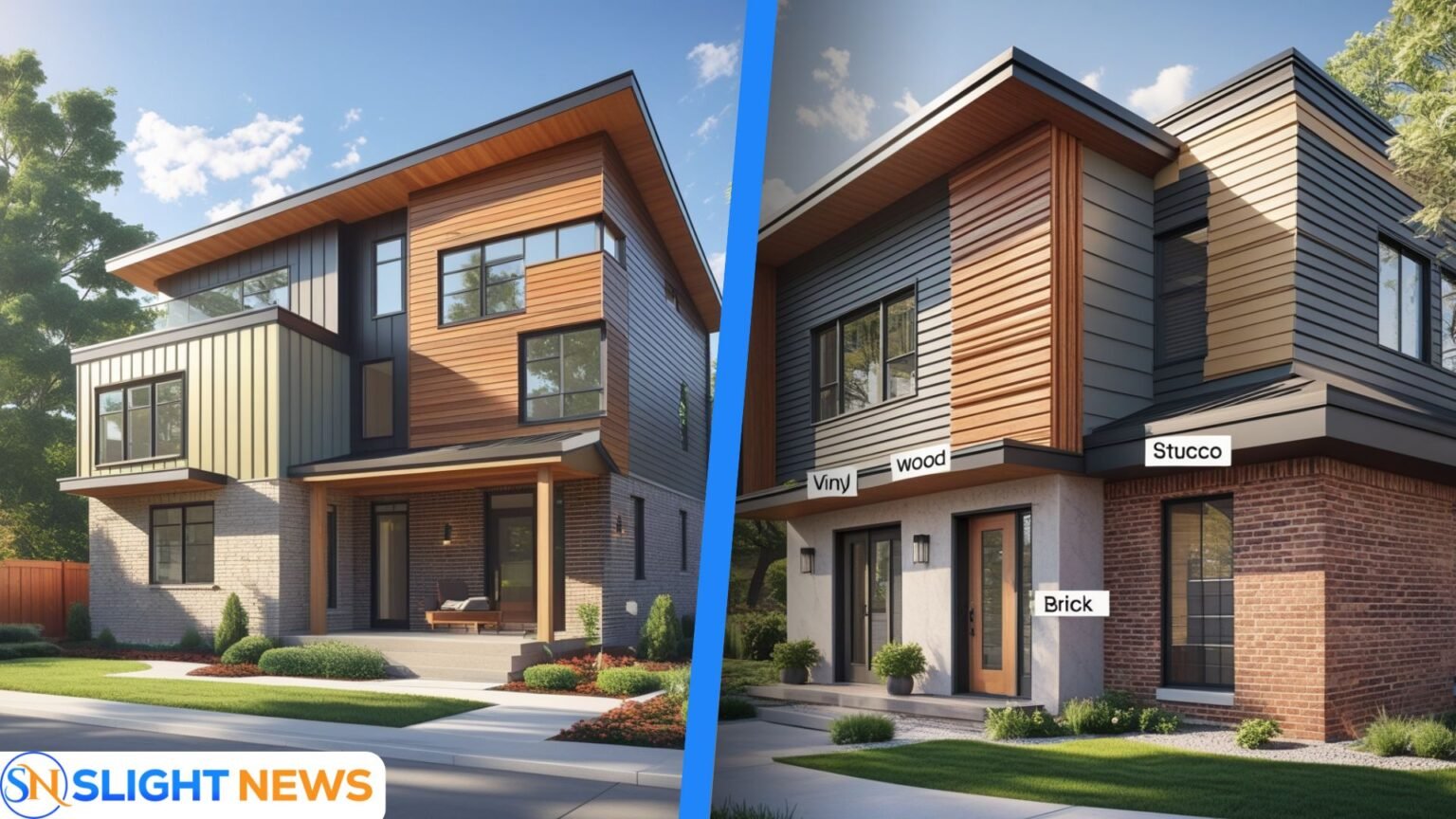

Choosing the right siding materials for your home is one of the most important decisions you can make as a homeowner. The siding not only protects your house from weather, water, and pests, but it also defines your home’s appearance. From classic wood to modern metal, there are many options available. Understanding the benefits, costs, and maintenance of each siding material can help you make a confident choice that suits your style, budget, and climate.
What Are Siding Materials?
Siding materials are the outer layers of your home that cover the walls. Their main purpose is to protect your house from rain, wind, snow, and heat. They also improve the look of your home and can increase its value. Good siding materials are strong, durable, and sometimes even fire-resistant. They also help with insulation, keeping your home warmer in winter and cooler in summer.
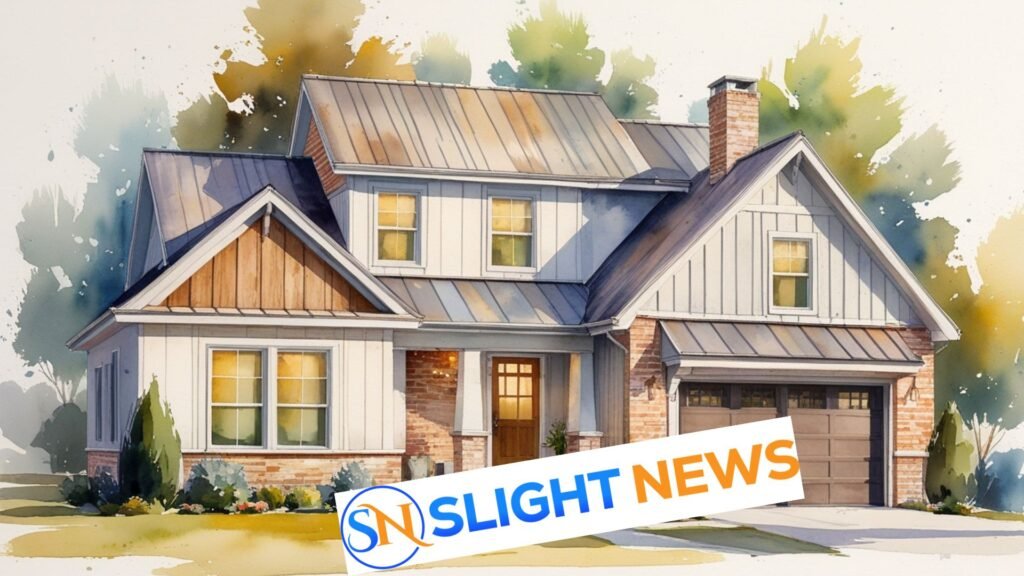
Popular Types of Siding Materials
There are several types of siding materials, each with unique benefits. One of the most popular options is vinyl siding. Vinyl is affordable, low-maintenance, and comes in many colors and styles. It can last 20–40 years if installed properly. However, it may crack in extreme weather.
Another popular choice is fiber cement siding. This siding is made from cement, sand, and wood fibers. It looks like wood but is more durable. Fiber cement is resistant to fire, pests, and decay. Its lifespan is often 30–50 years. It may need repainting every 10–15 years, but it is a strong, long-lasting option.
Wood siding is a classic choice that gives a natural and warm look. Popular types include cedar, pine, and redwood. Wood can be painted or stained in many colors. It also provides natural insulation. The downside is high maintenance; wood needs regular sealing or painting and can rot or get damaged by insects.
For a modern alternative, engineered wood siding is designed to mimic real wood but offers better resistance to moisture and pests. It requires less maintenance than natural wood and lasts around 20–30 years. Homeowners who want the wood look without frequent upkeep often choose this option.
Metal siding, including steel and aluminum, is extremely strong and fire-resistant. It lasts 40–70 years and needs very little maintenance. Metal siding does not rot or get damaged by insects. It reflects sunlight, helping with energy efficiency in hot climates. The main drawback is that it can dent or scratch easily and is usually more expensive than vinyl.
Brick and stone veneer siding gives a premium, timeless look. Brick siding can last 50 years or more. Stone veneer is lighter than full stone but still very durable. These siding materials are low-maintenance but heavy, so installation is complex and costs more than other options.
Stucco siding is made from cement and applied in layers. It is fire-resistant and works well in dry climates. Stucco can crack in areas with extreme temperature changes. Proper installation by skilled professionals is important for long-lasting results.
Factors to Consider When Choosing Siding Materials
Climate plays a key role in selecting siding materials. In fire-prone areas, fiber cement, metal, or stucco is safer. Vinyl siding may warp or crack in very hot or cold climates. Moist climates require siding that resists rot and mold, such as fiber cement or metal.
Maintenance is another important factor. If you want low-maintenance siding, vinyl or metal is ideal. Wood siding requires regular painting or staining to keep it looking good. Fiber cement may need painting every 10–15 years. Choosing the right siding depends on how much time you want to spend maintaining it.
Budget affects your siding decision as well. Vinyl siding is generally the most affordable in both materials and installation. Fiber cement and engineered wood cost more initially but can save money over time due to their durability. Brick, stone, and stucco have higher upfront costs and may require professional installation.
Appearance is crucial for homeowners who want their house to look unique. Wood siding provides a natural, warm look. Fiber cement can imitate wood, shingles, or stucco. Metal siding works well for modern, industrial-style homes. Brick or stone veneer creates a strong, classic impression.
Installation is another consideration. Vinyl and aluminum siding are easier to install and can be a DIY project. Fiber cement, brick, stone, and stucco usually require professional installation because they are heavy or need precise application. Proper installation ensures that the siding lasts as long as possible.
Maintenance Tips for Siding Materials
Cleaning your siding regularly is key. Use a soft brush or low-pressure water to remove dirt and prevent mold. Inspect siding annually for cracks, loose panels, or damage. Small repairs should be done immediately to prevent bigger issues.
Wood siding requires repainting or sealing every 5–10 years, depending on weather conditions. Fiber cement may need repainting every 10–15 years. Seal trim, windows, and corners carefully to prevent water from seeping behind the siding. Metal, vinyl, brick, and stone require less maintenance, but periodic cleaning is still important.
Benefits of Choosing the Right Siding Materials
Selecting the right siding materials improves your home’s appearance, protects it from damage, and can increase its market value. Durable siding, like fiber cement or brick, saves money in the long run by reducing repair and replacement costs. Choosing the right siding also helps with energy efficiency, insulation, and comfort.
Homeowners who select the right siding materials can enjoy both aesthetic appeal and long-term durability. The perfect siding balances appearance, budget, maintenance, and protection.
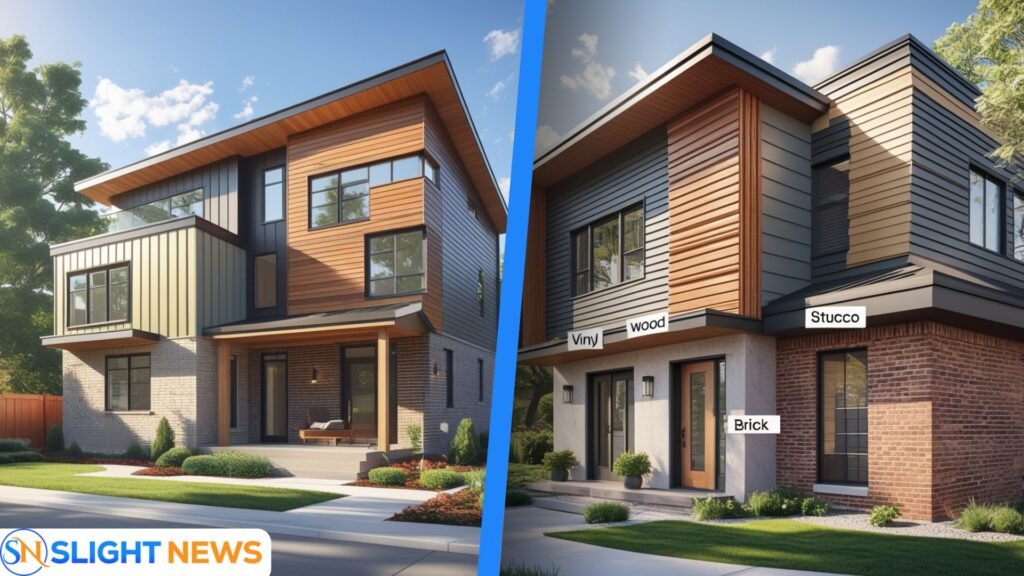
Frequently Asked Questions
1. What are the best siding materials for a home?
The best siding materials include vinyl, fiber cement, wood, metal, brick, and stucco, depending on your budget, climate, and style preference.
2. How long do different siding materials last?
Vinyl: 20–40 years, Fiber Cement: 30–50 years, Wood: 15–40 years, Metal: 40–70 years, Brick/Stone: 50+ years, Stucco: 50 years.
3. Which siding materials require the least maintenance?
Vinyl, metal, brick, and stone veneer are low-maintenance options. Wood and fiber cement require periodic painting or sealing.
4. How do I choose siding materials for my climate?
In wet or humid areas, choose fiber cement or metal. In fire-prone areas, use fiber cement, metal, or stucco. Avoid vinyl in extreme heat/cold.
5. Can siding increase my home’s value?
Yes! Durable and visually appealing siding like fiber cement, brick, or stone veneer can boost curb appeal and increase property value.
Conclusion
Choosing the right siding materials for your home is a decision that affects safety, comfort, and style. Options like vinyl, fiber cement, wood, engineered wood, metal, brick, and stucco each have unique benefits. Consider your climate, maintenance preferences, budget, and desired look.
Well-chosen siding materials protect your home from the elements, enhance curb appeal, and add value. By understanding each option and its characteristics, you can make an informed decision and enjoy a beautiful, durable home exterior for years to come.
For more information Visit: Slight News